News · BOVARI project
BOVARI project: Dushanbe hosts training on early detection and response
Published:
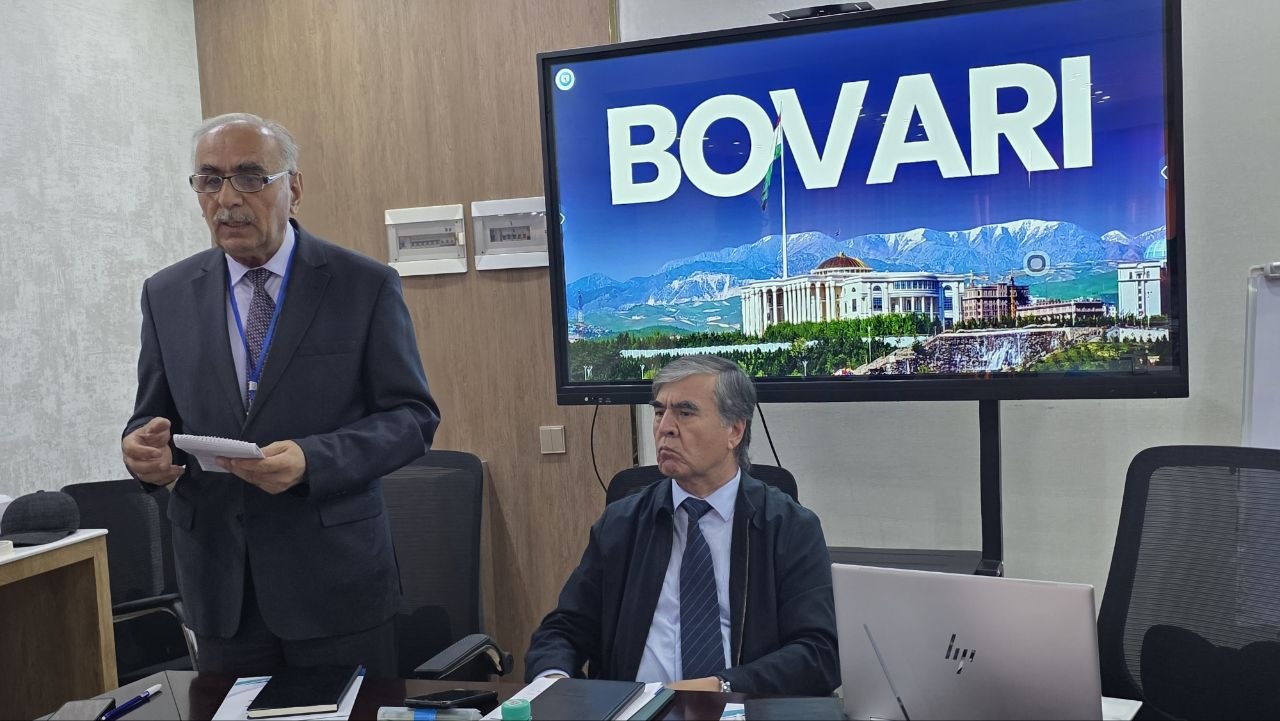
On 20 October 2026, training under the BOVARI project took place at the Firdavsi Hotel in Dushanbe. It focused on the early detection and response (EDR) system currently under development. The system is intended to address problems at the local level by recognising early signs of tension, preventing violence and arranging appropriate support for people in local communities.
The event was organised by the National Foundation “Shohrohi Abreshim — Shohrohi Vahdat” (“Silk Road — Road of Unity”), with the support of the Executive Office of the President of the Republic of Tajikistan and the Prosecutor General’s Office of the Republic of Tajikistan.
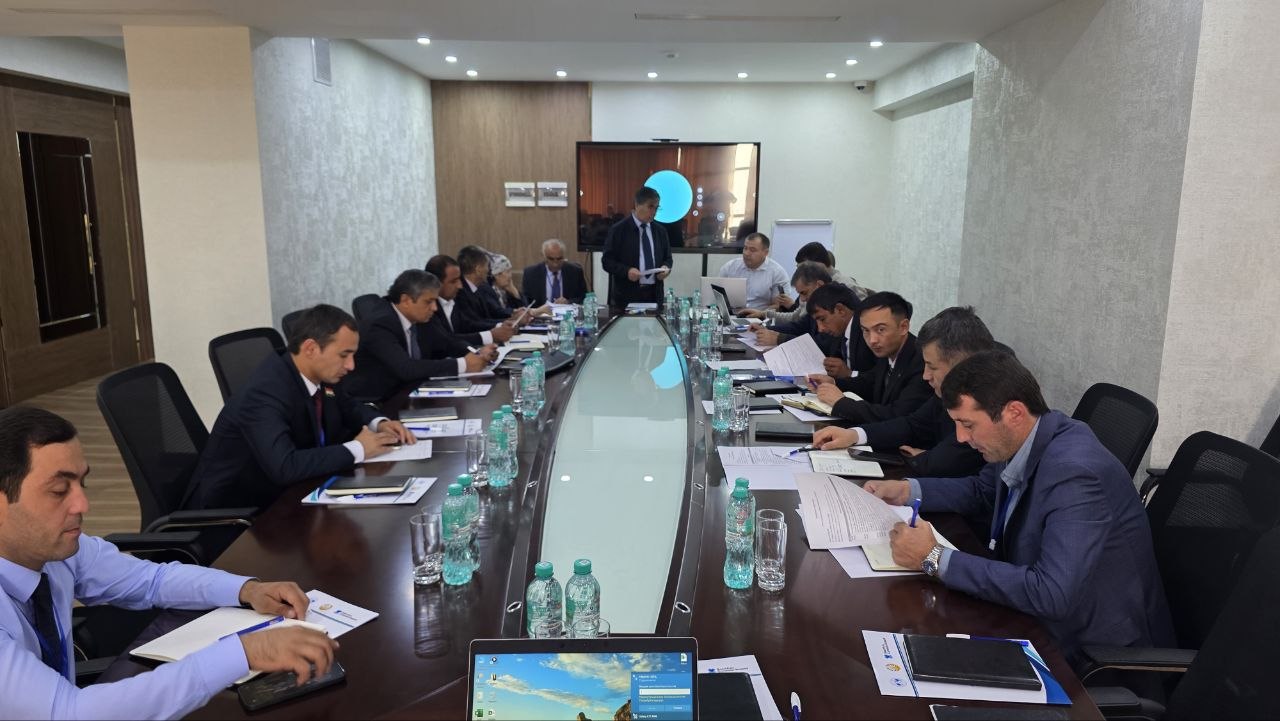
Participants included representatives of cities and districts across the country, Search for Common Ground and experts from the public organisation Tahlil. The opening sessions introduced the BOVARI project’s objectives, participants’ roles and the responsibilities of the Advisory Group on Countering Extremism and the Rehabilitation and Reintegration of Returnees, explaining how the training relates to the regional roundtables.
Local signs of tension and available support
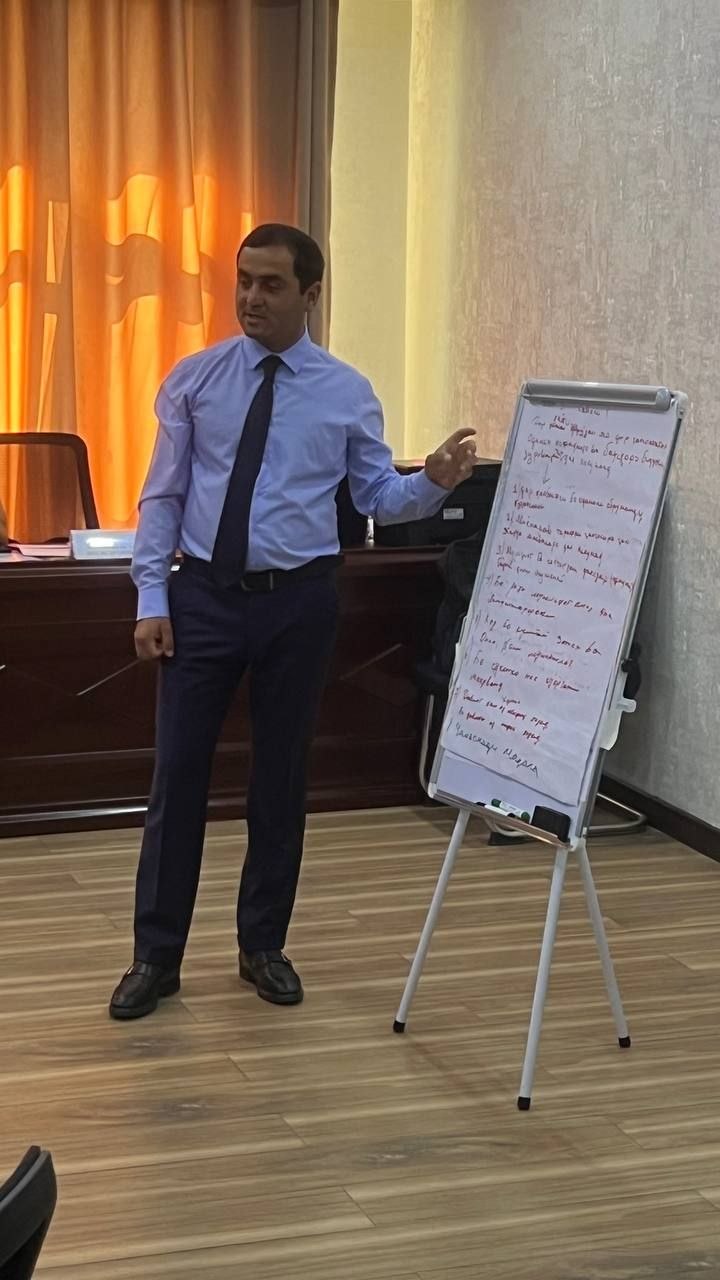
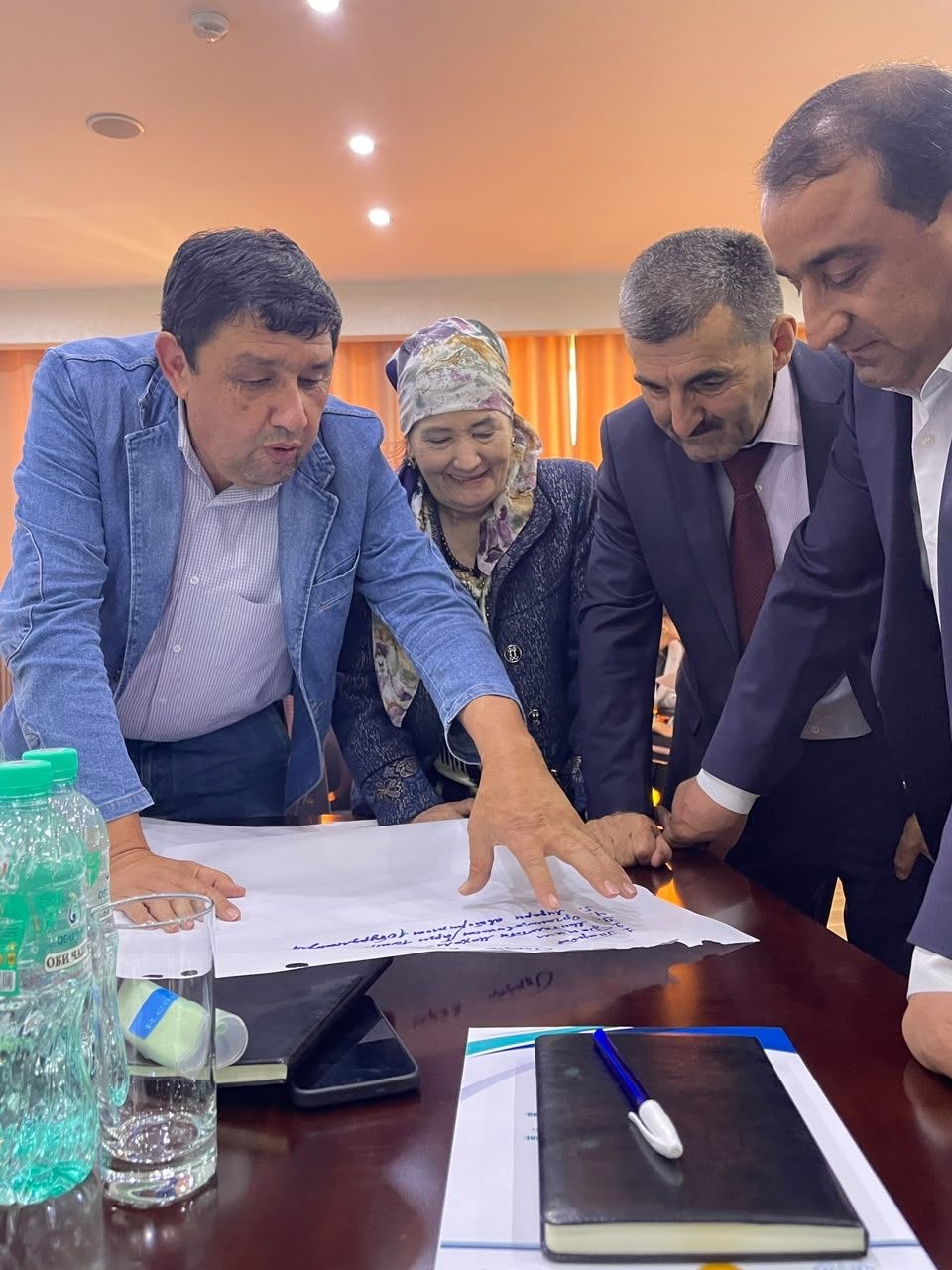
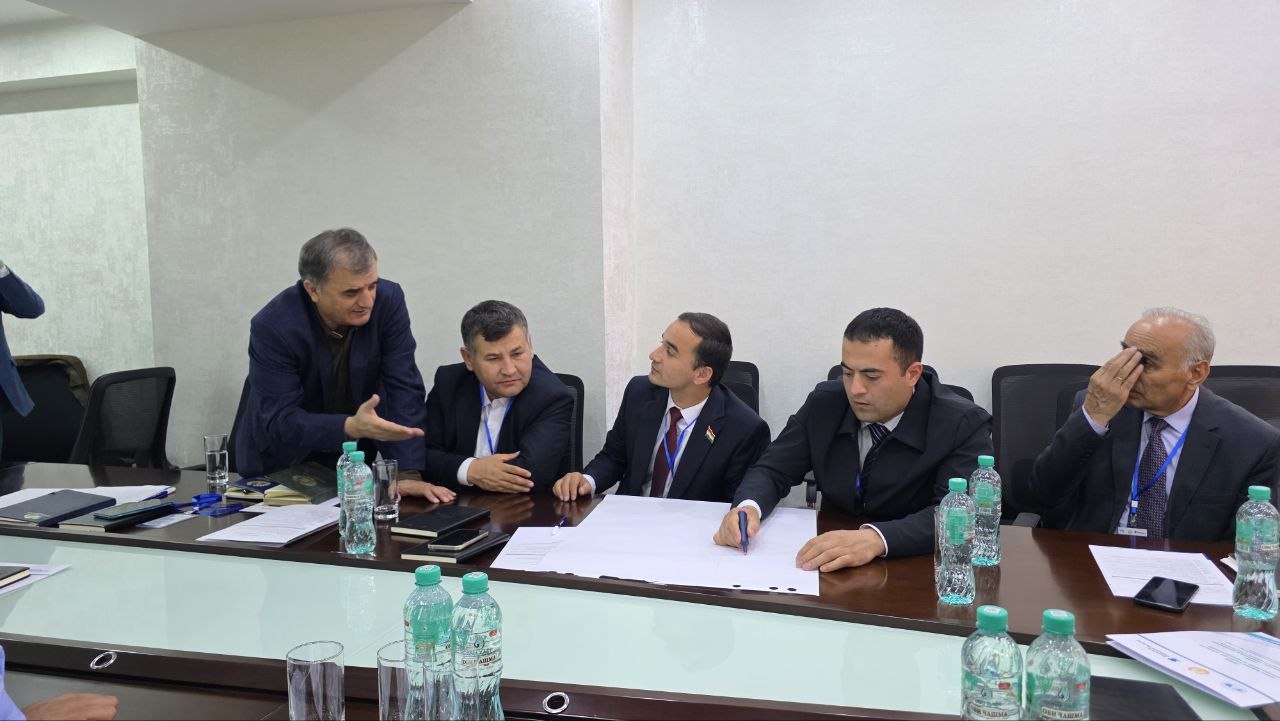
During the first part of the training, participants worked in small groups to discuss observable changes in their communities, signs of escalating disagreements and available sources of support. The discussions addressed practical questions: how residents resolve disagreements without violence, whom they approach when facing difficulties and what prevents them from obtaining help.
The groups presented their findings and discussed and refined local early-detection indicators. Particular attention was given to distinguishing direct observations from second-hand information and assumptions. Participants also considered what information needs to be checked before assessing a situation and how to choose an appropriate, safe response.
Proposed operation of the EDR system under development
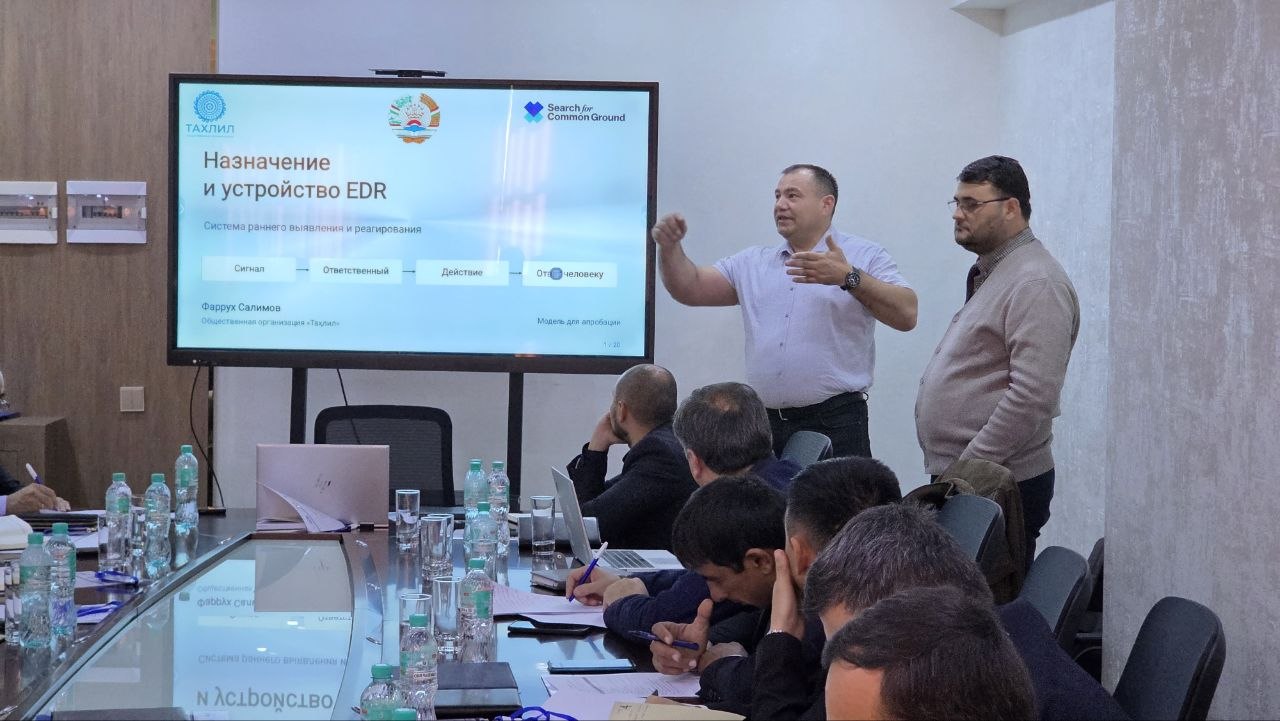
In the second part, Tahlil experts explained the purpose, proposed structure and operation of the EDR system being developed to address problems at the local level. The model proposed for piloting covers the steps from receiving a request and assessing urgency to assigning responsibility, providing support, checking the outcome and responding to the person who sought help.
Participants explored the coordinator’s tasks, the responsibilities of relevant services and the role of this Advisory Group. Before a referral, it is necessary to establish whether the proposed support meets the person’s needs, whether the service can accept the request and how follow-up contact will be arranged. If the initial route is unavailable, a suitable alternative is needed.
Participants learned how to record and verify information, review requests, refer people to relevant services, protect confidentiality and inform them of the outcome. The sessions also explained how to assign responsibility, set deadlines for actions and follow up on results.
Confidentiality and respectful treatment
Personal data protection was a central topic. The materials presented call for collecting only necessary information, restricting access, agreeing on a safe way to communicate and respecting the person’s consent when sharing information in non-urgent cases.
Assessment should be based on facts and the individual’s specific needs. Age, religious belief or migration status alone does not establish a risk. To maintain trust, people need to know that their request has been received, what the next step will be and what outcome has been reached.
Practical exercises and training of trainers
An educational video and a fictional training case provided a basis for discussing the sequence of actions. Participants considered how to identify support needs, verify incomplete information, select the responsible person and assess the outcome of proposed measures.
The training-of-trainers component included short teaching exercises, case-based work and discussion of how to present the material. Its purpose was to prepare trainers to teach members of the Advisory Group on Countering Extremism and the Rehabilitation and Reintegration of Returnees during the second round of regional roundtables.
The closing discussion addressed participants’ questions and clarified the proposed use of the EDR system under development in local settings. We thank the organisers, supporting institutions, partners and all participants for their cooperation, exchange of experience and active contribution to the training.