
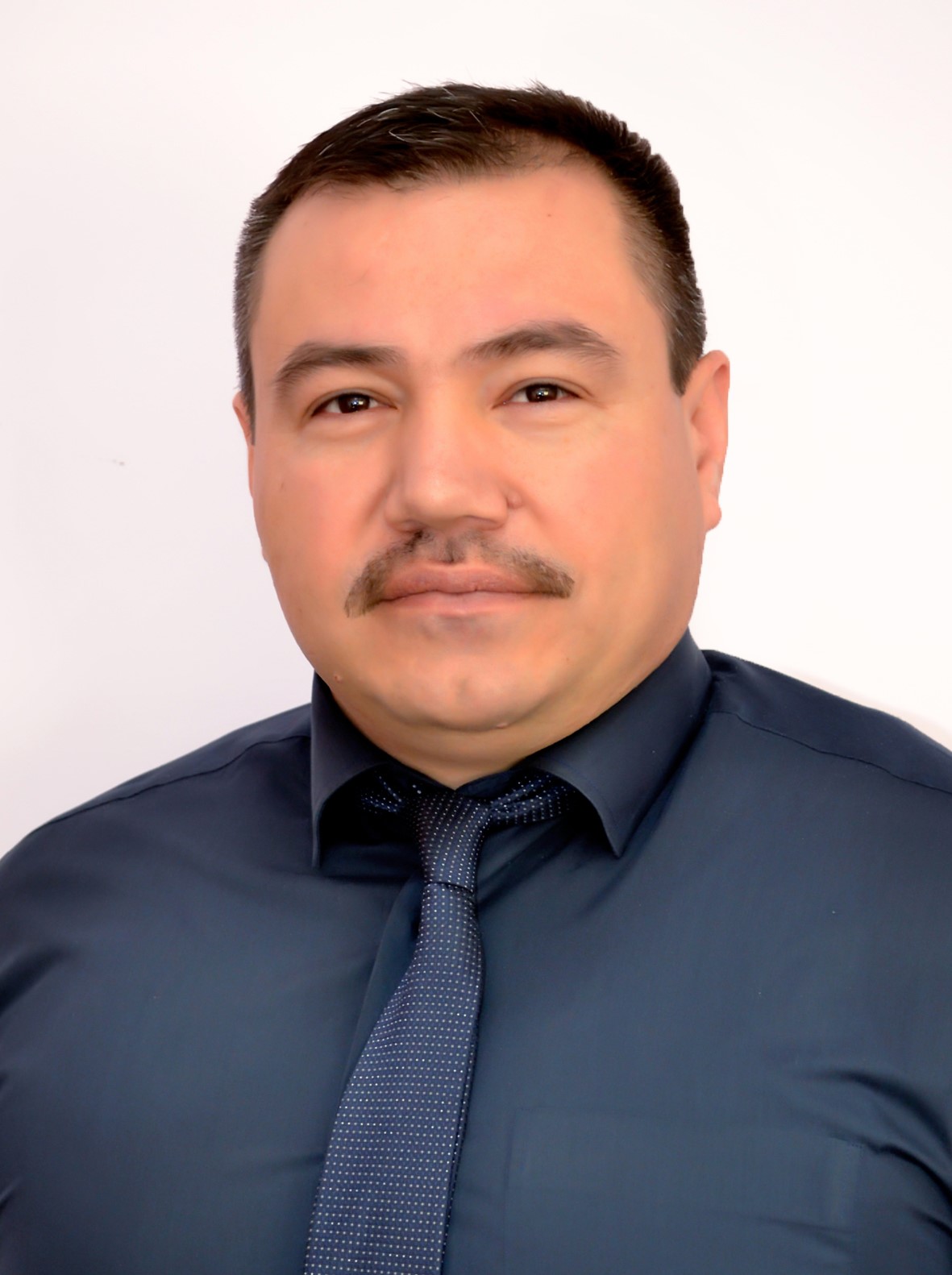
Farrukh Salimov
His areas of work include research, project management and partnership development. He is a co-author of the forthcoming monograph on gender and radicalization.
Publications and resourcesTahlil is a nationwide civil society organization and a research and analysis centre. Since 2019, the centre has conducted research, supported public dialogue, delivered training and implemented practical initiatives in Tajikistan and Central Asia.
The centre’s areas of work include social processes, the information environment, gender, youth, the prevention of extremism, rehabilitation and reintegration. Tahlil assists partners in assessing the context and developing practical responses.
The centre examines how local organizations and communities identify concerns, coordinate their activities and organize timely responses.
Tahlil conducts desk and field research on security, religion, media, youth, migration, gender and community resilience.
The centre designs and delivers training for representatives of government institutions, NGOs and communities, as well as young people, women and specialists.
Tahlil supports the assessment of project results, the development of indicators and data collection, and prepares independent evaluation reports.
The centre develops communication approaches for sensitive issues, including the prevention of extremism, reintegration, social cohesion and engagement with the media and local communities.
Tahlil works with approaches that consider security, human rights, stigma reduction, family support and the role of receiving communities.
His areas of work include research, project management and partnership development. He is a co-author of the forthcoming monograph on gender and radicalization.
Publications and resources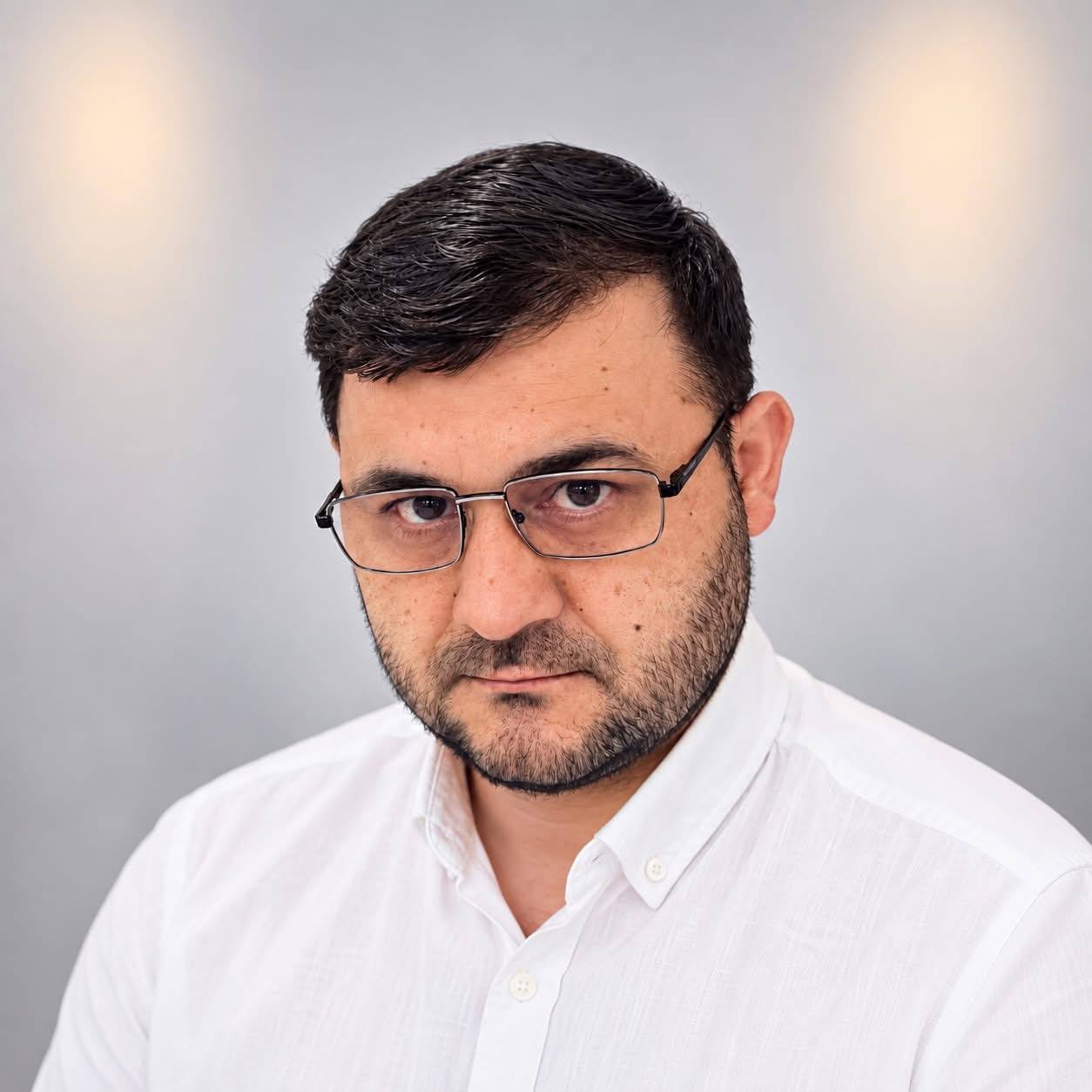
His research focuses on religion, security and the prevention of extremism. He is a co-author of publications on Central Asia.
Publications and resourcesThe portraits of Farrukh Salimov and Rustam Azizi were supplied by Tahlil. Professional profiles: Farrukh Salimov · Rustam Azizi
The centre’s approach comprises four interrelated stages. Select a stage to view its description and a related resource.
The centre compares documents, interviews and other sources, identifies data limitations and distinguishes observations from interpretation.
Analytical reportMeetings, theatrical performances and facilitated discussions help explain complex issues and take local circumstances into account.
Reports on local activitiesPractical guides, session plans and professional resources support the application of research findings in day-to-day work.
Guide in developmentMonitoring, evaluation and analysis of experience help refine approaches, identify limitations and develop recommendations.
Monitoring and evaluationThe centre’s experience includes work in Dushanbe, Sughd, Khatlon and the Districts of Republican Subordination, as well as regional research across Central Asia.
Project partners





Organizations with which Tahlil has cooperated on projects and research.
For enquiries about research, evaluation, training or communications, please describe your objectives and expected results.