Event report
Dushanbe roundtable reviews extremism and radicalization prevention campaign across 13 cities and districts
· Dushanbe
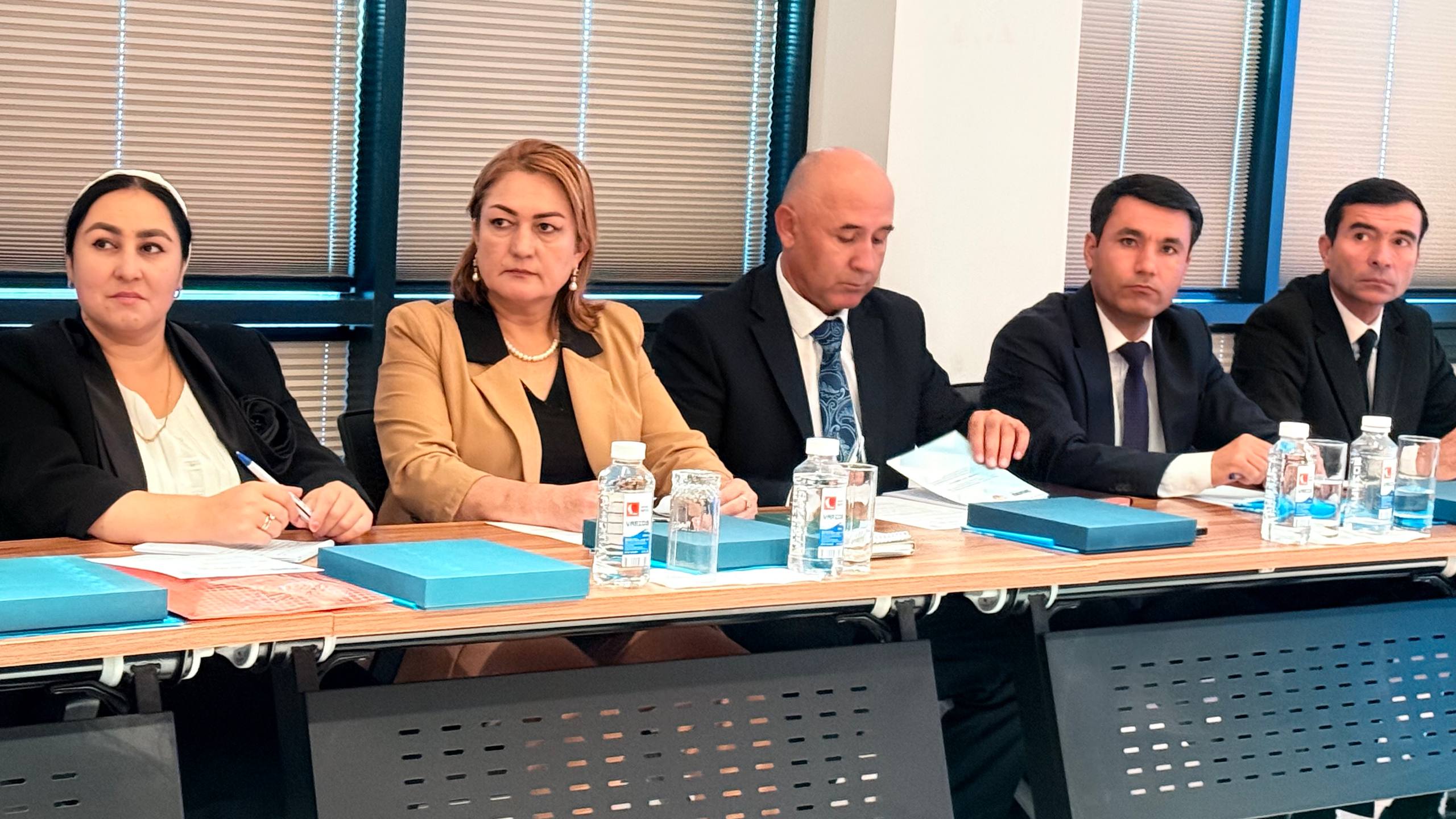
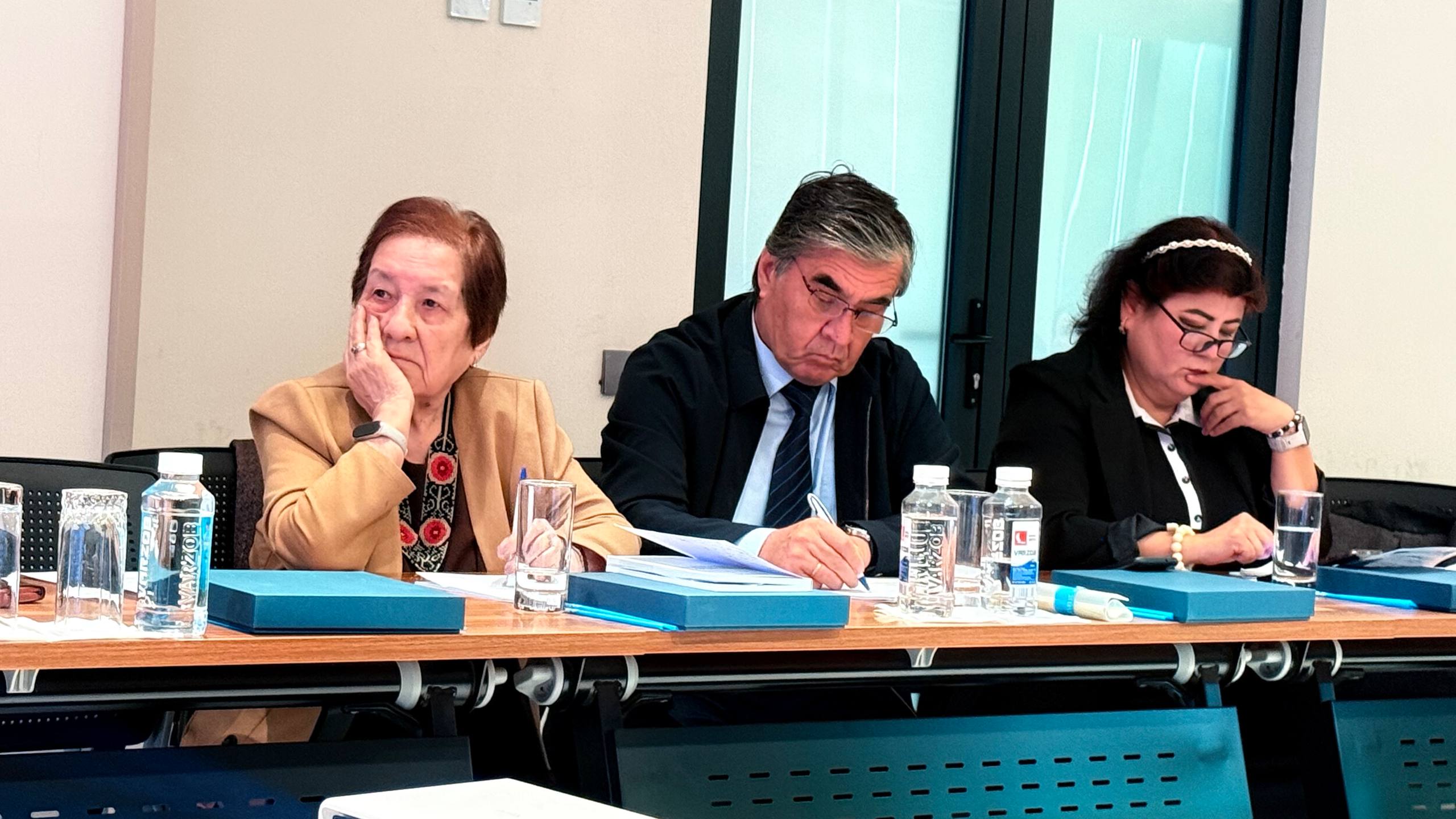
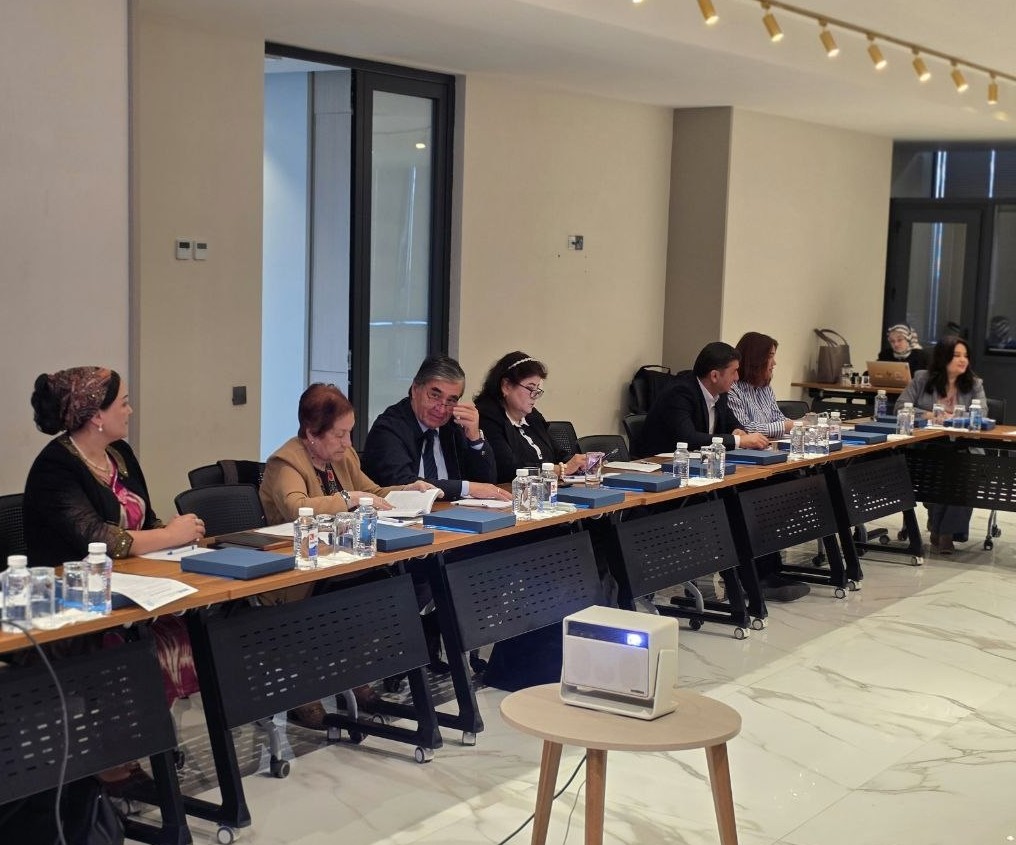
A final roundtable at the Rumi Hotel in Dushanbe reviewed the results of an information and awareness-raising campaign in the Rasht region and the Districts of Republican Subordination. The discussion covered information sessions, the use of theatre in awareness-raising, social media activities, and proposals for further prevention work.
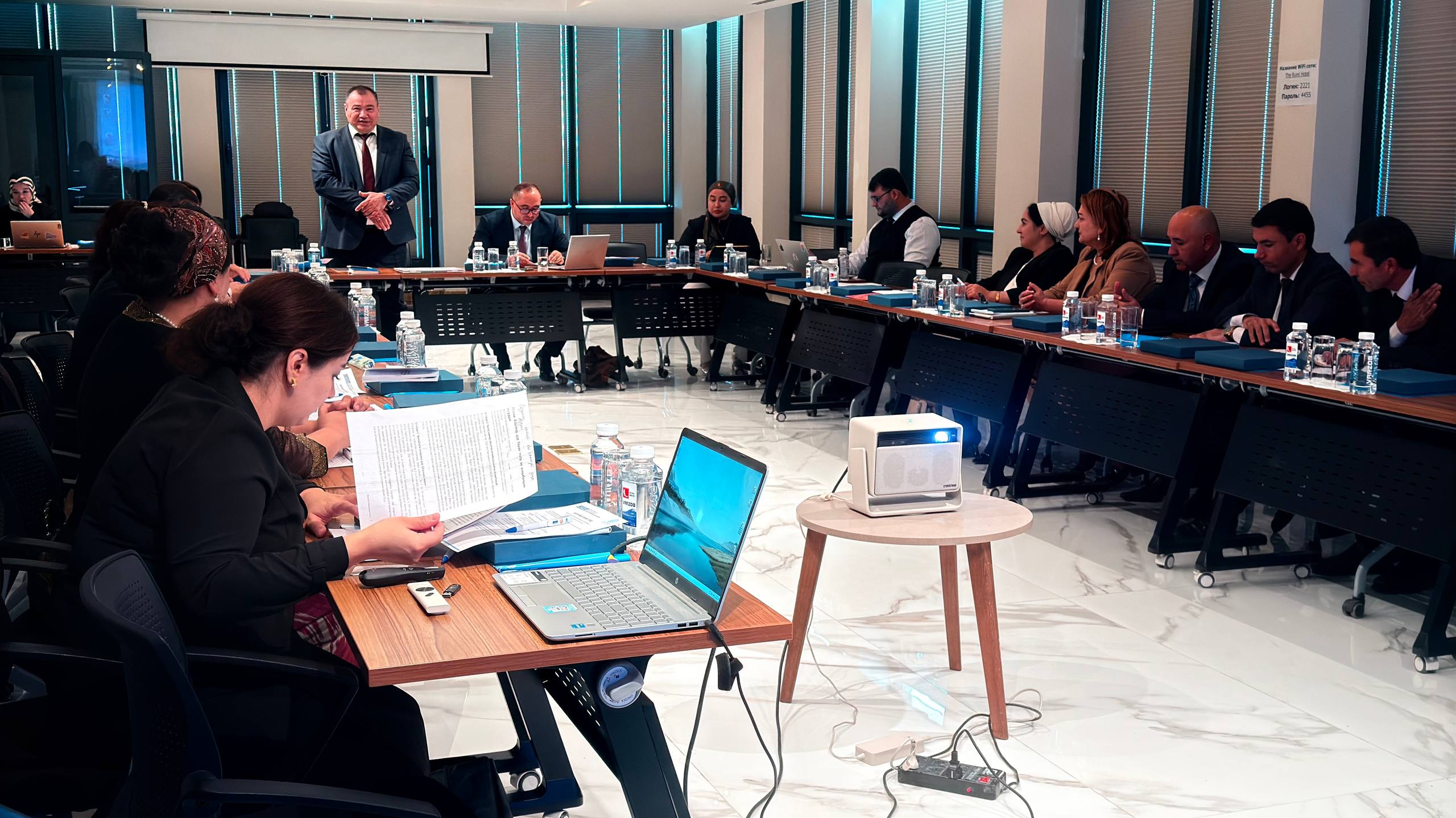
The event was organized by the public organization Tahlil in cooperation with the OSCE Programme Office in Dushanbe, with support from the Executive Office of the President of the Republic of Tajikistan and the Prosecutor General’s Office of the Republic of Tajikistan.
The roundtable provided an opportunity to review the campaign, exchange experience from local activities, and discuss ways to strengthen cooperation between public authorities and civil society. The main focus was on communicating prevention messages clearly, developing media literacy, supporting young people, and building dialogue based on trust with local communities.
Deputy heads of the city and district administrations of Rasht, Fayzobod, Vahdat, Varzob, Tursunzoda and Shahrinav, as well as civil society representatives and experts, actively participated in the campaign.
Information activities in 13 cities and districts
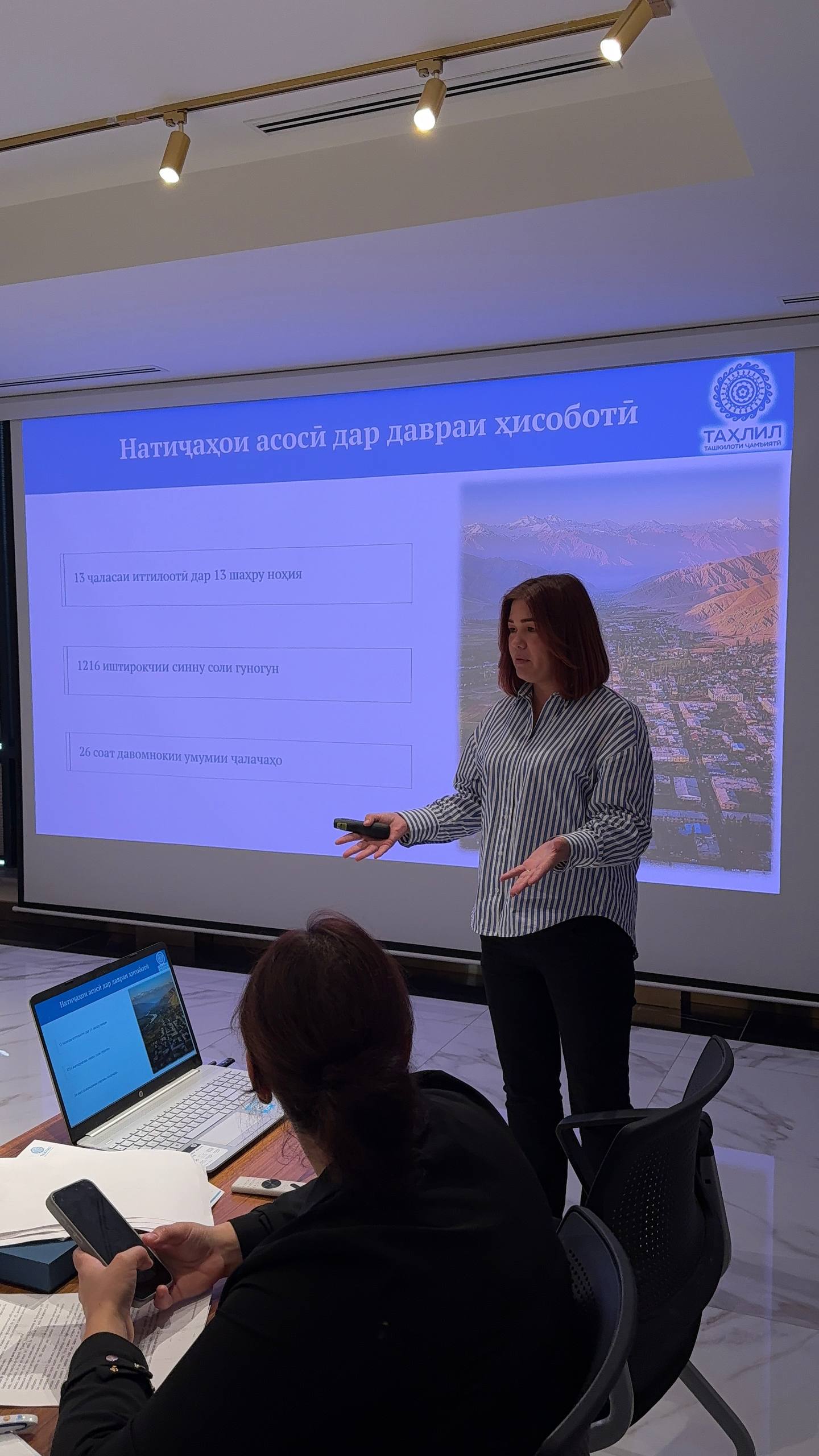
The campaign took place in two phases. From 1 to 10 July 2026, activities were held in Vahdat, Fayzobod, Roghun, Rasht, Sangvor, Tojikobod, Lakhsh and Nurobod. From 5 to 9 October, the work continued in Varzob, Rudaki, Hisor, Shahrinav and Tursunzoda.
In total, the campaign delivered 13 information sessions and 13 performances of The Return (Bozgasht). Participants included young people, parents, teachers, local activists, jamoat representatives, religious figures and other community members.
The information sessions explained key concepts and addressed recognizing deception and the abuse of trust, checking the accuracy of news and videos, and developing critical thinking. Practical examples helped participants discuss informed choices, how to approach suspicious offers, and where to seek advice from trusted people and institutions.
Presentations on the project’s main results and lessons emphasized the connection between awareness and practical skills. Particular attention was given to recognizing risks, checking information sources, and knowing how to obtain help.
Theatre as a means of awareness-raising and dialogue
One strand of the campaign used The Return to explore prevention issues through theatre. The characters’ stories brought questions of deception, promises of easy gain, social pressure, family relationships and personal responsibility into situations close to people’s everyday lives.
Discussions after the performances gave audiences an opportunity to examine the reasons behind the characters’ decisions, consider their consequences, and suggest alternative actions. These conversations paid particular attention to the role of parents, teachers and communities in listening to young people’s concerns and providing timely support.
The review of the theatre component highlighted the connection between the information session, the performance and the discussion: information helps people understand an issue, a scene presents a specific situation, and discussion helps identify possible actions.
Local activities, including those in Rudaki and Shahrinav, prompted requests for similar performances in schools. Adapting the content and discussion format to pupils’ ages was proposed as a way to develop this work.
Media literacy and awareness-raising online
The campaign was also covered on social media. Theatre clips, audience feedback, photographs and information materials created opportunities to continue the conversation beyond the event venues.
The roundtable addressed media literacy, recognizing misleading information, and experience of information activities on Facebook and Instagram. It emphasized checking sources, approaching news and videos thoughtfully, and refraining from sharing questionable content.
According to Tahlil’s final figures, the organization’s Facebook and Instagram pages and content recorded more than 2.5 million views in total between 1 July and 19 October 2026. This figure counts views, including repeat views.
Proposals for further work
The presentations and concluding proposals emphasized the need to continue prevention work in ways that reflect each locality’s circumstances. Clear language, examples relevant to the audience’s lives, and opportunities to ask questions and receive answers were identified as important elements of this approach.
For future theatre activities, proposals included allocating discussion time after every performance and preparing facilitators to use guiding questions and key prevention messages. Other proposals included adapting performances for school pupils and accompanying social media clips with clear explanations and practical conclusions.
Attention was also given to assessing learning outcomes. Short questions before and after events, together with follow-up feedback, were proposed as ways to understand what participants had learned and how they applied the messages.
The roundtable brought together the campaign’s experience and provided an opportunity to discuss further cooperation between public authorities, educational institutions, experts and civil society.
Tahlil thanks its partners, public authority representatives, experts, performers and all campaign participants for their cooperation and contributions.
Photos from the roundtable